The National Education Policy (NEP) 2020 is the most significant shift in Indian education in decades, and for the first time it puts early childhood at the centre. For preschool owners, this is both a responsibility and an opportunity: parents are increasingly asking whether a school is “NEP-aligned,” and being able to answer that question well is becoming a real competitive advantage.
Why NEP 2020 matters for preschools
NEP 2020 formally recognises that 85% of a child’s brain develops before the age of six. It introduces the “5+3+3+4” structure, in which the first five years — three years of preschool plus Grades 1 and 2 — form the Foundational Stage. In other words, your preschool is no longer seen as “pre-school” in the literal sense; it is the foundation of formal education.
The core principles you need to know
- Play-based and activity-based learning over rote memorisation
- Foundational literacy and numeracy as explicit goals
- Learning in the child’s mother tongue or home language where possible
- Holistic development: cognitive, social, emotional, and physical
- Continuous, observation-based assessment instead of formal exams
What this means in practice
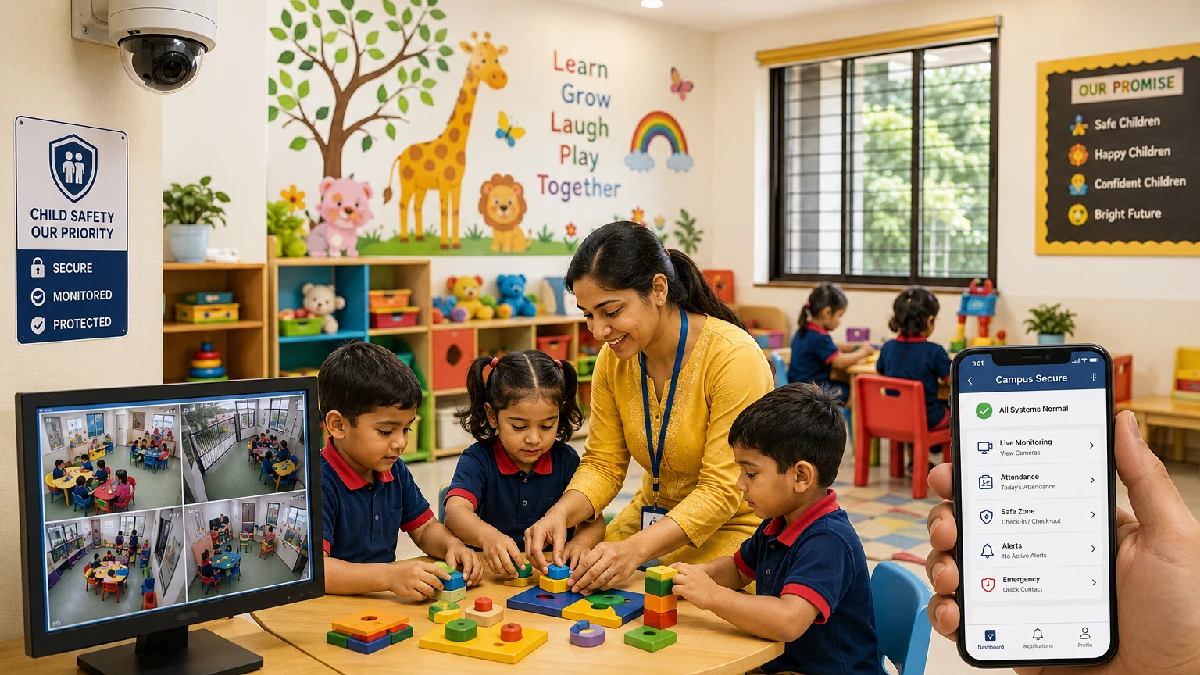
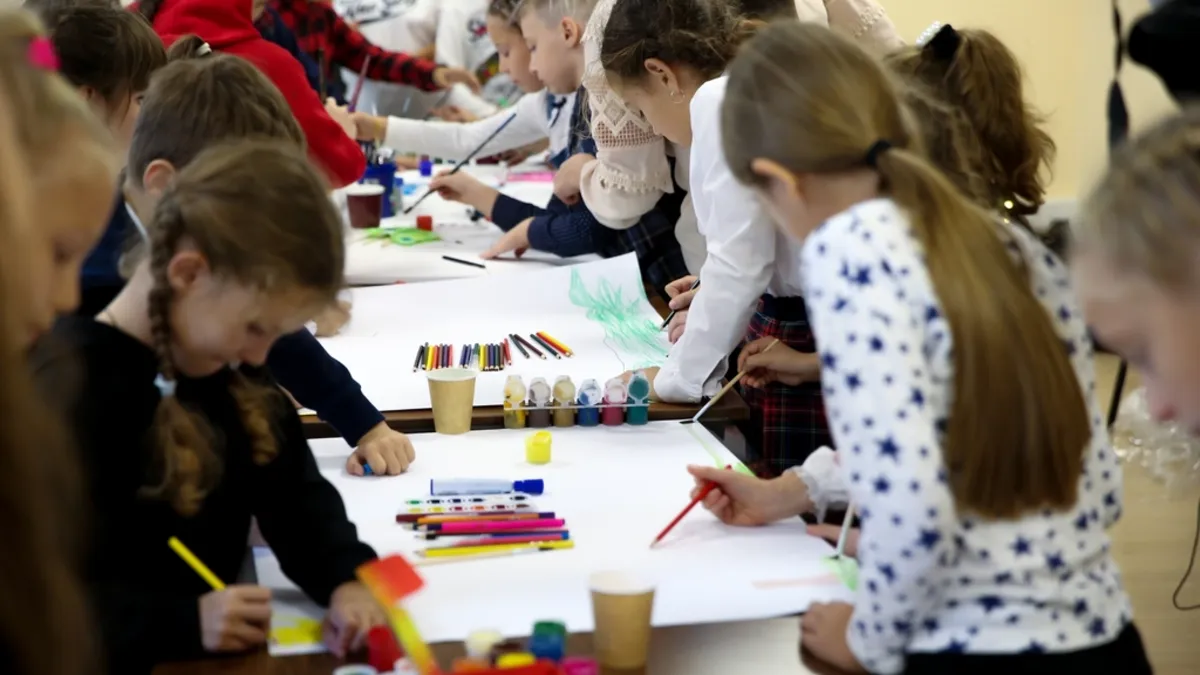
Aligning with NEP 2020 is not about adding the words to your brochure. It means your daily classroom looks different: structured play, hands-on activities, storytelling, and learning corners replace worksheet-heavy drilling. Teachers observe and record each child’s progress rather than ranking them. And the curriculum follows a clear developmental sequence rather than pushing academics too early.
How the FLY curriculum aligns with NEP 2020
lilTriangle’s FLY (Foundational Learning for Young Minds) curriculum was built around exactly these principles. It provides a structured, NEP 2020-aligned framework — lesson plans, activity kits, timetables, and assessment tools — so that owners and teachers do not have to interpret the policy on their own. The result is a classroom that is genuinely developmentally appropriate and easy to explain to parents.
- Age-appropriate, play-based lesson plans mapped to the Foundational Stage
- Activity-based learning materials for literacy, numeracy, and motor skills
- Observation-based assessment that fits NEP’s no-exam approach
- Teacher training so the curriculum is delivered consistently
The takeaway for owners
NEP 2020 has made early education a national priority, and parents are paying attention. Preschools that adopt a genuinely aligned, play-based, structured curriculum will stand out — not just to inspectors and regulators, but to the families choosing where to send their child. The schools that treat NEP as a checklist will blend in; the ones that treat it as a teaching philosophy will lead.