Starting a preschool in India is one of the most rewarding businesses you can build — it is profitable, recession-resistant, and genuinely meaningful. But it is also one of the easiest to get wrong, because most first-time owners underestimate everything that has to come together before the first child walks in. This guide walks through the full journey, from idea to your first admission, so you can plan with confidence instead of guesswork.
1. Decide your model and budget
Before anything else, decide what kind of preschool you want to run: a small single-classroom setup, a full preschool with daycare, or a premium branded school. Your model determines your investment, which typically ranges from a few lakhs for a modest setup to significantly more for a premium location. Plan for setup costs, the first six months of rent and salaries, and a marketing budget — not just the launch.
2. Choose the right location
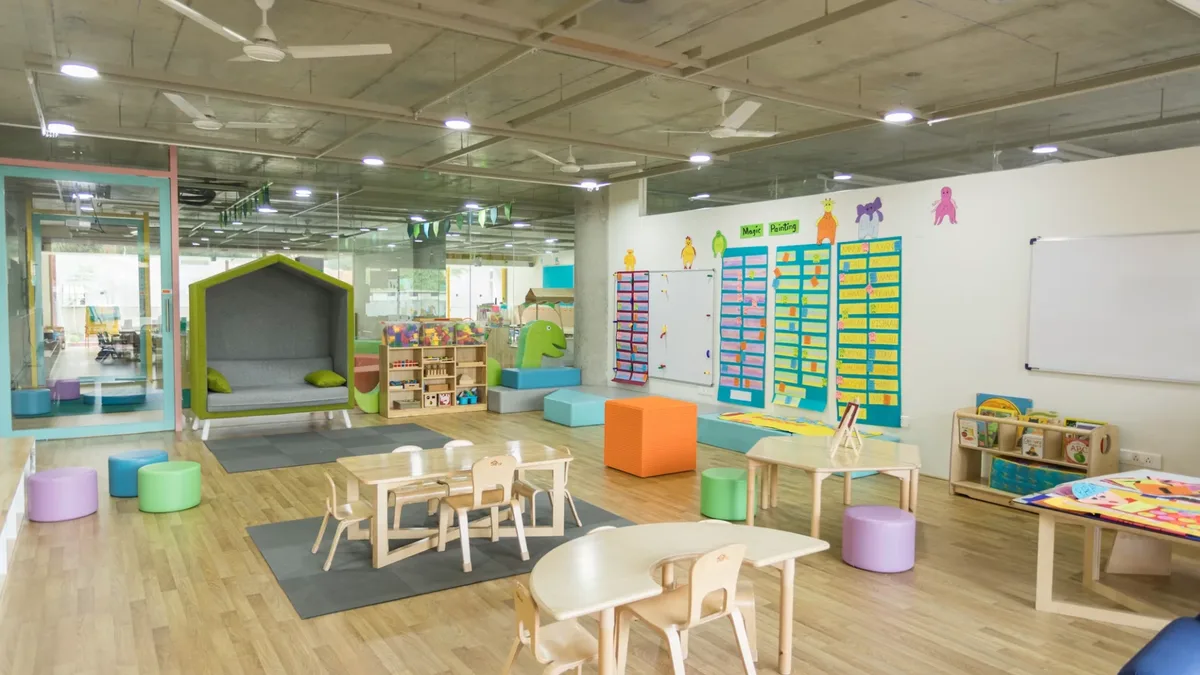
Location is the single biggest predictor of admissions. Look for a residential catchment with young families, ground-floor access, safe entry and exit, natural light, and room for outdoor play. A slightly more expensive location with the right demographics will almost always outperform a cheaper one in the wrong area.
3. Handle registration and licenses
Preschool regulations in India vary by state, but you will generally need business registration, local municipal permissions, a fire safety certificate, and adherence to child safety norms. Getting this right early avoids painful problems later, especially as your school grows.
4. Set up your curriculum
Your curriculum is your product. Parents may be drawn in by your building, but they stay because of what their child learns. A structured, NEP 2020-aligned, play-based curriculum — with lesson plans, activity materials, and teacher training — gives you credibility from day one. This is exactly what the FLY curriculum provides, so you are not building a learning program from scratch.
5. Hire and train your team
You do not need to hire experienced teachers — you need trainable, warm, reliable people and a system to train them. Invest in onboarding so every teacher delivers the curriculum consistently and communicates well with parents.
6. Decide your fee structure
Price for your market and your positioning, not just to undercut the school down the road. A structured, app-enabled, curriculum-backed preschool can confidently charge more than unorganised local competition. Model your break-even — typically 25–35 students in Tier 2 cities and 35–50 in metros — before you finalise fees.
7. Set up operations and the parent app
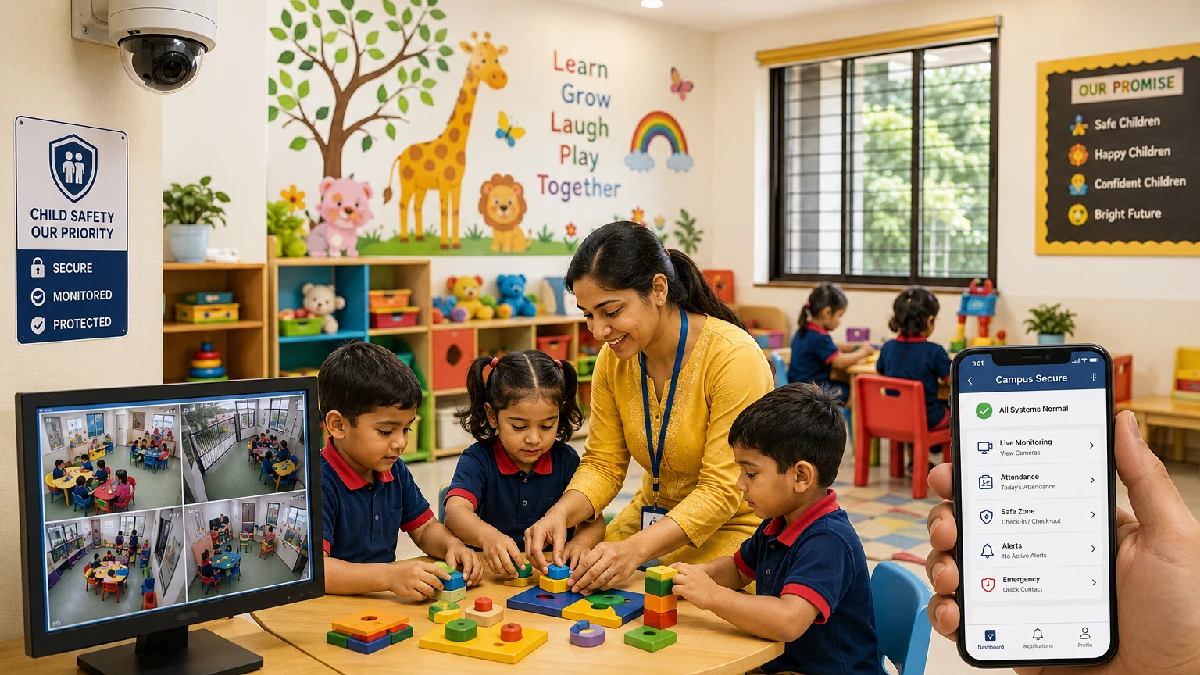
From day one, run on systems rather than notebooks. Admissions, attendance, fee collection, daily updates, and parent communication should all live in one place. A platform like lilTriangle handles this end to end, so your team spends time with children, not paperwork.
8. Market and fill your seats
Admissions do not happen by accident. Start marketing before you open: local Meta and Google ads, a simple enquiry form, fast follow-up, and structured school visits. The goal is a predictable funnel — enquiry to visit to admission — not a one-off burst of interest.
- Start admissions marketing 60–90 days before opening
- Capture every enquiry in one place and follow up the same day
- Convert visits with a confident, repeatable walkthrough
- Track cost-per-enquiry so you know what is working
You do not have to do it alone
The reason most first-time owners struggle is that they try to assemble curriculum, technology, and marketing from a dozen different vendors. lilTriangle brings all three together — curriculum, operations app, and admissions marketing — so you can go from idea to opening day in 60–90 days, with proven systems instead of guesswork.